
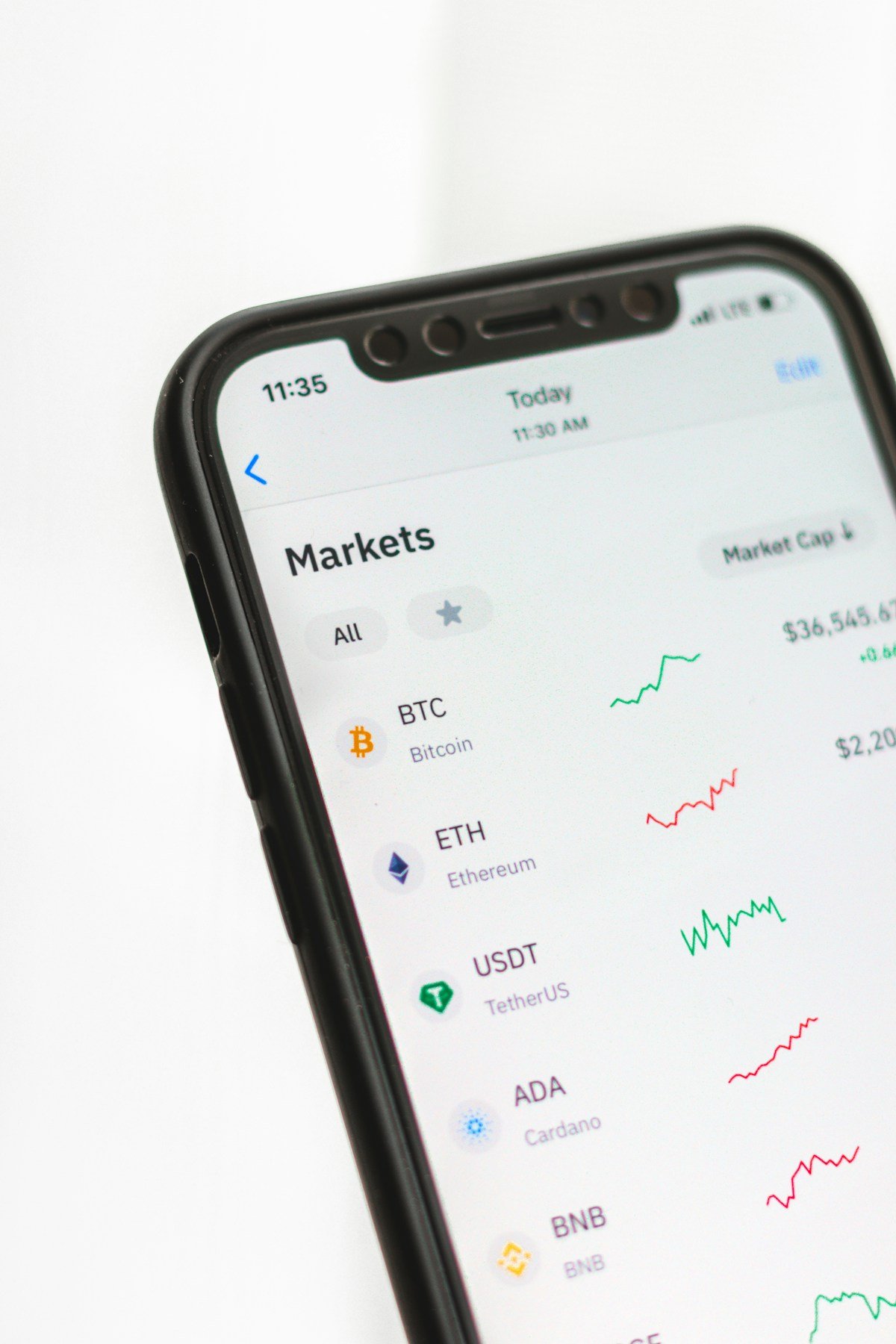
Exactly one month has passed since the full enforcement of the MiCA regulation took effect in Croatia on July 1, 2026, and the domestic crypto scene looks significantly different than it did in June — four licensed companies are reporting user growth, unregulated platforms have disappeared from the radar, and users are divided between a sense of security and frustration over new restrictions.
When HANFA closed the door on the old regime on July 1, 2026, the Croatian crypto scene found itself in a situation reminiscent of that scene in “The Wolf of Wall Street” when Jordan Belfort realizes the FBI is at the door — for a moment everyone is running around, and then the casualties are counted. In Croatia, however, there was no bloodbath. At best, a regulatory wake-up call over coffee.
Four Names on the List: Electrocoin, Bitblock, Digital Assets, White Tech
The list of authorized crypto-asset service providers in Croatia, published on HANFA’s website, still counts exactly four names: Electrocoin, Bitblock, Digital Assets (Bitcoin Store), and White Tech.
For comparison, before MiCA, several dozen platforms operated in Croatia offering cryptocurrency purchases and sales. Most disappeared quietly, without notice, without a farewell email. Some switched to purely peer-to-peer models. Others simply stopped responding to user messages.
HANFA has also published a warning list of about a dozen websites that continued operating without a license, exploiting the gray area and the fact that MiCA does not fully cover decentralized protocols.
Electrocoin: First Among Equals
Electrocoin, the oldest and largest domestic player with the CoinCropper platform, reported 22 percent user base growth in the first month of full MiCA enforcement. Director Nikola Škorić told Kriptosignal that the license “opened the door to cooperation with banks that previously would not even talk to crypto platforms.”
“Before MiCA, banks treated us like an infectious disease. Now we have a license issued by a state regulator according to EU standards. That is the difference between entering an airport with a passport and climbing over the fence,” Škorić said.
The biggest change felt by Electrocoin users is mandatory two-factor authentication for all transactions above 500 euros and an enhanced KYC procedure that includes a video call. “It is a bit awkward when you have to show your ID to the camera and say ‘it is me, this is me,’ but you get used to it,” commented a user from Zagreb who wished to remain anonymous.
Bitcoin Store: Physical Branches as a Secret Weapon
Digital Assets, better known as Bitcoin Store, recorded an increase in the number of users who physically came to their branches in Zagreb, Rijeka, and Split during the first month of MiCA enforcement. According to data shared with Kriptosignal, as many as 35 percent of new users chose to make their first transaction in person, face to face with a staff member.
The restriction on withdrawing stablecoins to external addresses, introduced by Bitcoin Store on July 1 in compliance with MiCA requirements, drew mixed reactions. While some users welcomed the move as “responsible business practice,” others characterized it as “a blow to the fundamental principles of crypto.”
What Happened to Tether (USDT) in Croatia?
All four licensed platforms in Croatia have removed USDT from their list of supported assets for purchase and sale. Users who held USDT on these platforms before July 1 can withdraw it to external wallets — but they can no longer buy or sell it on licensed domestic platforms.
“It is like your favorite restaurant took pizza off the menu. You can still eat pizza, but you have to make it yourself or go to another restaurant,” explained a Zagreb-based crypto advisor, asking not to be quoted by name.
White Tech and Bitblock: Small Players, Big Ambitions
While Electrocoin and Bitcoin Store are in the public spotlight, two smaller licensed companies — White Tech and Bitblock — are quietly building their businesses. These two smaller companies have announced plans to expand into the EU market using the MiCA “passport” — the ability for a licensed provider from one member state to operate in all others without additional permits.
“Our goal is not to be the biggest in Croatia, but to be present in five EU countries by the end of 2027,” White Tech stated. In a world where Polish and Romanian crypto platforms collapsed after MiCA (Poland went from a thousand registered providers to zero), Croatian companies have an opportunity that few others have.
The Gray Zone and Numbers
In the first month of MiCA enforcement, HANFA received 23 citizen reports about suspicious platforms offering crypto services without a license. In two-thirds of cases, these were obvious scams — fake platforms copying the design of licensed exchanges and offering impossible returns.
According to data collected by Kriptosignal: total trading volume on licensed platforms rose 18 percent compared to June; active users increased by 15 percent; the average value per transaction dropped 12 percent, suggesting new smaller users entering the market; crypto-related fraud in the EU dropped 60 percent since MiCA’s introduction.
These figures suggest what optimists had predicted: regulation does not kill the market, but redirects it toward licensed players. Like toll roads — drivers grumble, but everyone knows the road is safer than the backroads through the woods.
What Does August Bring?
Starting August 1, additional MiCA provisions concerning stablecoin issuers and tokenization come into effect, which could impact domestic projects working with Real World Asset (RWA) tokenization. Additionally, HANFA has announced the publication of its first official report on the state of the crypto market in Croatia under full MiCA enforcement.
The Croatian crypto scene, after one month under full regulation, no longer resembles the Wild West — it is now more like an organized settlement with a few saloons, a church, and a sheriff’s office. Some find it boring. For others, it is the only way to stay in the game.
Because the simple truth is this: MiCA did not come to kill crypto. It came to make it serious. The question is whether Croatian users and platforms will recognize this as an opportunity — or continue looking for exits through the back door. So far, the results of the first month suggest domestic players have chosen the former.
The information in this article is for informational purposes only and does not constitute financial or investment advice. Crypto assets are a high-risk investment. Before making any investment decision, consult a licensed financial advisor.