
Croatia’s financial watchdog HANFA gathered the cream of European financial regulation in Dubrovnik on August 31 and September 1: the two-day conference “European Capital Markets Dialogue: Integrate, Simplify and Supervise in a Data-Driven Europe,” organized in program partnership with Luxembourg’s CSSF regulator, brought ESMA chair Verena Ross, Deputy Prime Minister and Finance Minister Tomislav Ćorić, and Croatian National Bank (HNB) Governor Ante Žigman to the city beneath Mount Srđ. The question around which almost every discussion revolved: how to move the vast share of European household savings, which has been resting in cash and deposits for years, into capital markets and make it work for the economy — at a moment when digital transformation, artificial intelligence and new technologies are reshaping both the markets themselves and the way regulators supervise them.
Crypto-assets were not on the official agenda, but they sat in the front row. With the full application of the EU’s MiCA regulation since July 1, HANFA has officially become the domestic supervisor of the crypto-asset services market, so every word spoken in Dubrovnik about data-driven supervision, digital resilience and retail investor protection echoes in the world of tokens, exchanges and crypto ATMs. In other words: while Europe shapes the future of investing, the Croatian crypto scene is not a spectator in the audience, but a player already operating under the new rules.
How serious the moment is was summed up by HANFA board member Martina Verić: “In an environment marked by regulatory changes, technological progress and growing needs for financing the economy, it is important to openly discuss what kind of capital market we want to build in the coming decade,” she said, adding that stronger and more efficient capital markets are not a goal in themselves, but a tool for boosting investment, productivity and the prosperity of the European economy.
King’s Landing, the financial edition
The symbolism of the venue could hardly have been better. Dubrovnik is known to generations of viewers as King’s Landing from Game of Thrones, yet this time the houses of Westeros were replaced by European institutions, ministers and supervisors. There were no dragons — acronyms flew instead: RIS, MISP, DORA, MiCA — and the treasure under negotiation is guarded by none of the seven kingdoms but by the mattress: according to the finance minister, too large a share of European households’ financial assets still sits in cash and deposits instead of being invested in the economy. “If we want European savings to finance European growth, citizens must increasingly recognize investing in capital markets as an accessible, transparent and reliable way of building their own long-term financial security,” Ćorić said.
For the crypto scene, that appetite for savings is a double-edged sword — to stay on theme. The very generation that took its first investment steps by buying tokens is now in the spotlight of the EU’s Retail Investment Strategy, the so-called RIS package, through which Brussels wants to make the road to investing cheaper and simpler, from cost transparency to the quality of financial advice. Regulators have long known that the average young investor does not choose between stocks and crypto — both are held at the same time — so retail protection rules are increasingly written with digital assets in view. Whoever writes those rules wisely will win over a generation that does not shy away from risk, but simply demands clear rules.
Dora investigates, supervisors follow the data
Among the stars of the conference program was a regulation bearing a name that sounds like a cartoon heroine: DORA, the Digital Operational Resilience Act. Behind the playful acronym lies a serious message — the financial system must survive even when technology fails, and the crypto world has learned that lesson in blood in the eras when exchanges used to vanish overnight, together with user funds. The second big theme, data-driven supervision, sounds almost like homework for the crypto industry: the blockchain is a public ledger, and a public ledger is an auditor’s dream. ESMA chair Verena Ross stressed that a genuine European supervisory culture has been built over the years and that, by 2030, supervision should become more integrated, more data-driven and more strongly focused on results. From the CSSF came messages about simplifying rules, proportionality and cutting the regulatory burden — exactly what the crypto industry has been asking of Brussels for years while fighting the patchwork of national rules from the pre-MiCA era.
The message, then, runs both ways: Europe wants less bureaucracy and more data, and an industry that embraces transparency gets a chance to help shape the rules instead of merely enduring them. That is precisely where the domestic scene finds itself after MiCA replaced the old national regime.
What it means for the local scene
The Croatian crypto scene entered this “European dialogue” with a concrete balance sheet: four licensed crypto-asset service providers — Electrocoin, Bitblock, Digital Assets and White Tech — have passed HANFA’s authorization procedure, while those that failed to secure a licence before the full application of MiCA had to wind down their services in an orderly manner. August also brought the first major precedent: HANFA’s ban on the Varaždin-based firm FIMA Plus, along with an order to return client assets, sending a clear signal that a licence is not just paper on the wall but an obligation. At the same time, the summer wave of fraud — from the fake AI platform that took €7,000 from a 77-year-old woman on the island of Krk to the Split theatre of the fake HCM agency, which drained €142,000 through crypto ATMs — showed where the real vulnerabilities lie: in the trust that scammers buy using the names of state institutions, and in channels that are hard to trace.
The conference’s highlights — retail investor protection, education, data-driven oversight and rapid information exchange between regulators — are precisely the tools against such phenomena. HANFA has been issuing warnings about fake websites and platforms on a weekly basis for months, and under the new regime it also holds power that did not exist before: oversight of licensed providers, visibility into flows and mechanisms for fast action. While Europe plans a decade ahead in Dubrovnik, fraudsters work around the clock — but now they face not only good intentions, but a regulatory infrastructure being built precisely at gatherings like this one.
A regional star with homework to do
HNB Governor Ante Žigman stressed in Dubrovnik that stability is key to competitiveness, and that special attention should be paid to consumer protection, resilience and reducing market fragmentation. That Croatia does not intend to remain merely a host of ceremonial dinners was shown the very next week: on September 8, HANFA hosted a study visit by representatives of Montenegro’s insurance supervision agency. The Dubrovnik conference and the CSSF partnership, visits from the region and sessions sharing MiCA experience — all of this is gradually turning Croatia into a reference point for digital finance supervision in Southeast Europe, a position nobody would have predicted a decade ago, not even in the wildest crypto cycles.
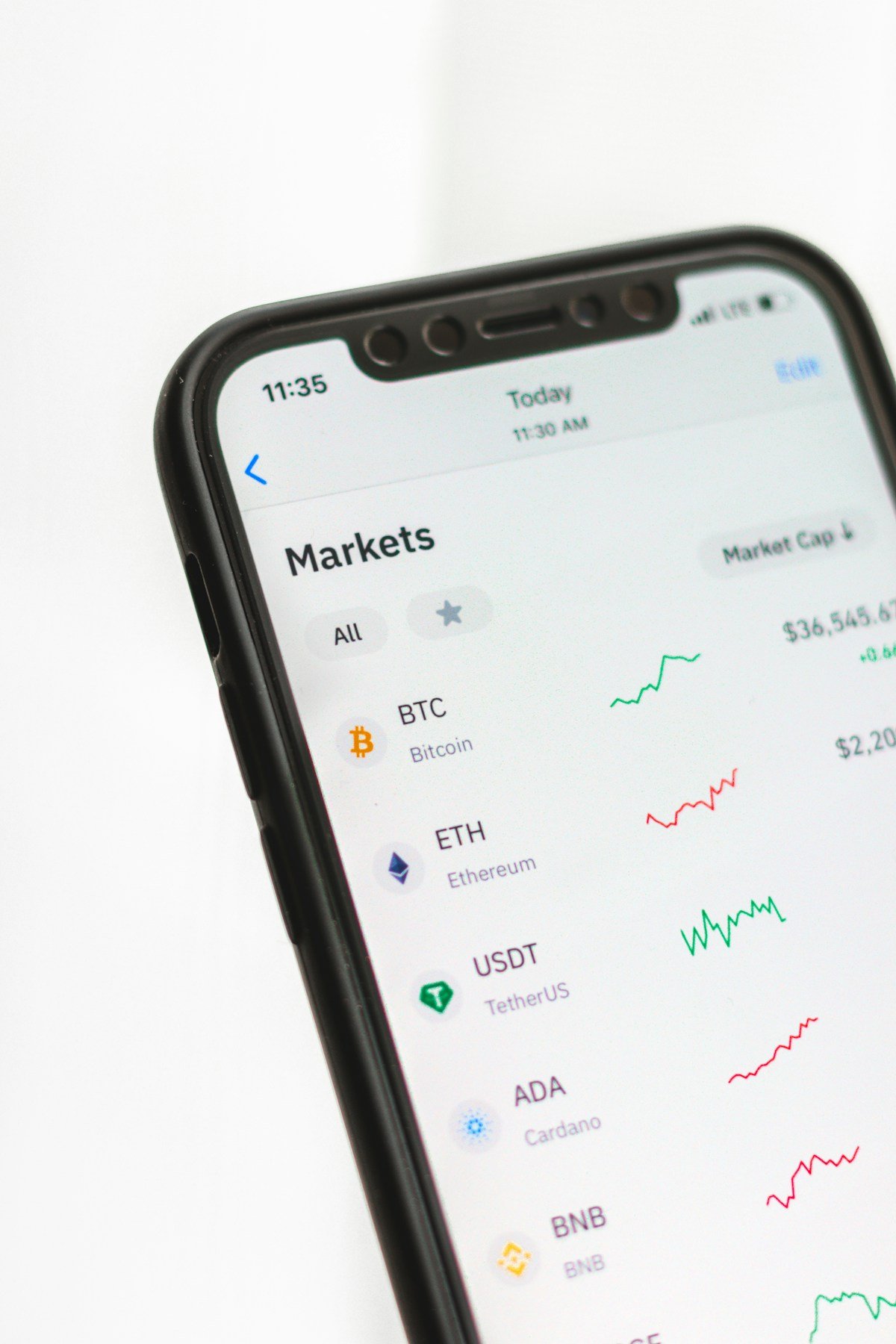
And while strategies were being drafted in Dubrovnik, the market itself was napping: Bitcoin holds around $79,000, Ethereum around $2,500, and the only real commotion comes from the old guard, as the DOT and ATOM rally wakes veterans from four years of slumber. Yet it is precisely in these quiet days that decisions are made which will define the next phase: whether the new generations of rules — from RIS and DORA to the upcoming MiCA review — will finally push crypto into the institutional mainstream. If the history of financial markets teaches anything, it is that where the rules are clear, serious money eventually comes knocking. This time, Europe appears to be writing the invitation itself.
Source: HANFA. This article is for informational purposes only and does not constitute investment advice.