
While the Moon began to eclipse the Sun over Croatia on Tuesday afternoon — for the first time in 27 years — a different kind of eclipse was unfolding on the island of Krk. There, a 77-year-old Croatian citizen lost €7,000 on a platform promising automated crypto trading powered by artificial intelligence. The Krk police station is conducting a criminal investigation into fraud, and the story is, unfortunately, a textbook example of an “investment” that looks more like a script for a low-budget thriller than a financial service.
From the first deposit to a “processing fee” in four acts
According to the report, the victim registered on a website in June offering automated crypto trading and investments “based on artificial intelligence and machine learning.” It sounds futuristic, almost as if someone had mixed a Blade Runner script with an ad for quick money. After making an initial deposit, she was contacted by an unknown man posing as a financial advisor — a role played, in this production, by someone who, unlike Leonardo DiCaprio in The Wolf of Wall Street, has not an ounce of charm but a very well-rehearsed script.
The advisor persuaded her to deposit an additional €4,500 to unlock “significantly higher profits and a bonus.” When she requested a withdrawal in early July, act two followed: the man convinced her she had to pay another €2,500 for so-called processing costs. She paid that too. And then — nothing. No profit, no deposit, no advisor. Act three ends with the victim walking into a police station. Act four is yet to come, in the form of a criminal investigation that will likely establish the “financial advisor” was fiction from start to finish.
The total material damage amounts to €7,000. For comparison, that is roughly what the average Croatian pension amounts to in more than a year — which makes this story especially cruel, since elderly people are the most common target of such campaigns. Scammers bet on trust, and trust, as any seasoned poker player knows, is the most expensive card in the deck.
A solar eclipse and “going to the Moon”
The irony of the date could hardly be greater. On August 12, Europe is experiencing its first total solar eclipse since 1999 — the path of totality passes over Spain and Iceland, while Croatia will see a spectacular partial eclipse covering up to 85 percent of the solar disk. Croatian astronomy enthusiast Boris Štromar, who has chased eclipses around the world, told Večernji list that nothing can compare to a total eclipse — and that it is no wonder people once feared the sight.
In the crypto world, however, the word “moon” has a completely different meaning. “To the moon” is the age-old (in crypto years, roughly three-year-old) rallying cry of every enthusiast expecting their coin to explode skyward. The Krk scam showed what happens when that cry is taken too literally: instead of going to the Moon, the investment vanished into a black hole. The Moon eclipsed the Sun today, but the real shadow in this story fell on the bank account of a pensioner.
The police have once again issued the standard warnings. Offers guaranteeing high returns with minimal risk, especially those tied to crypto and AI trading, are typically frauds. Legitimate financial institutions never demand upfront fees, taxes, or processing costs before paying out — because if someone has to pay to receive their own money, that is not a financial service, it is a slicker package for the same old trick as old as banking itself. As any historian of financial fraud would put it: Charles Ponzi would shy away in embarrassment before such efficiency.
The big five in the red: a year to forget
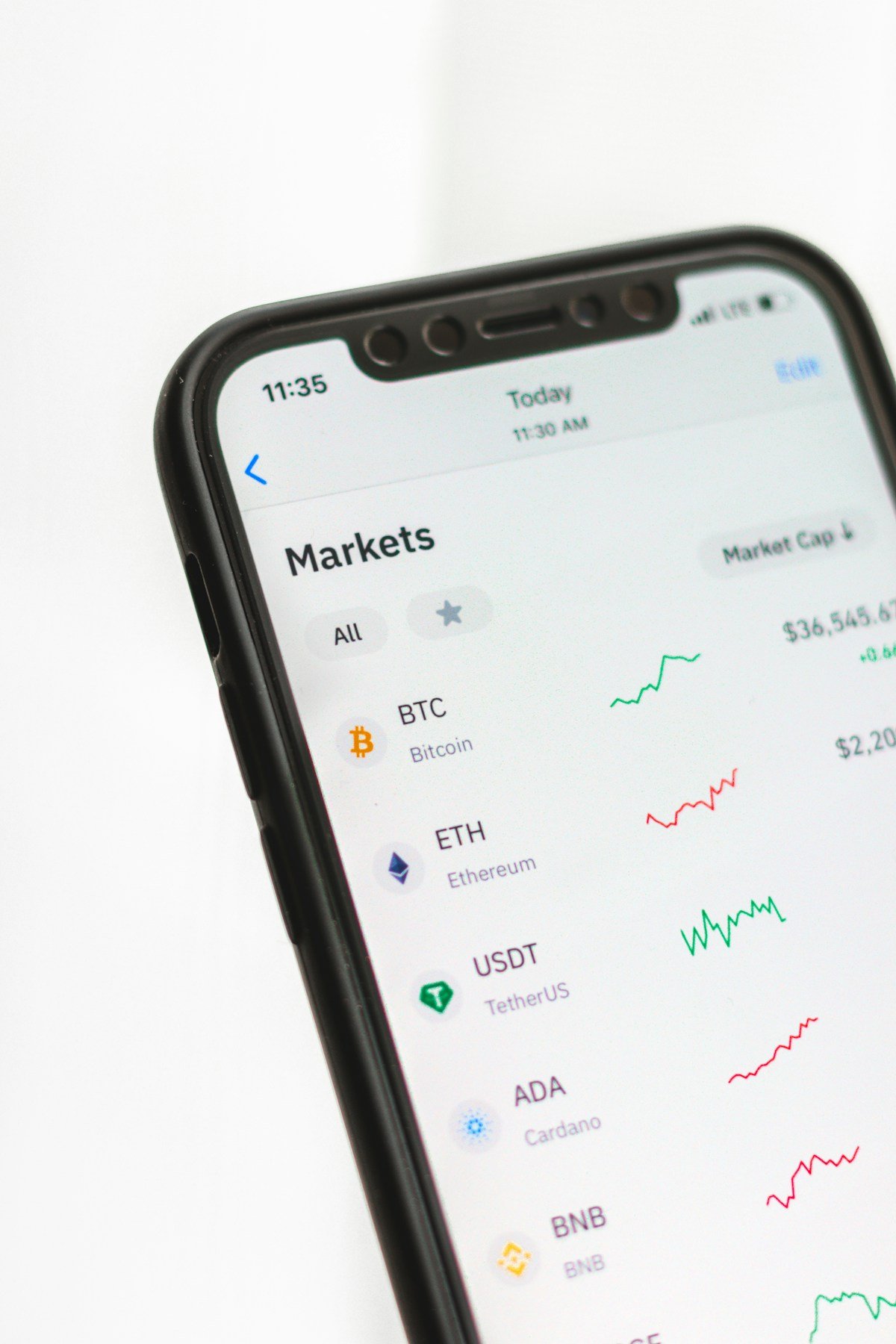
That fraud is not the only shadow hanging over Croatian crypto investors is shown by a Finax analysis published this week. The five largest cryptocurrencies by market capitalization ended the past year in negative territory, with some losing more than half their value. Bitcoin reached a record above $126,000 in October 2025, driven by institutional ETF buying, the halving effect and a more favorable regulatory environment in the US, only to lose more than half its value by April 2026. Ethereum fell from an all-time high of nearly $5,000 (August 2025) to roughly $1,930 — a 61 percent drop from its peak. BNB “fared best” with a 25 percent decline, Solana lost about 60 percent, and XRP crashed by as much as 68 percent.
“Some investors put money into crypto assets primarily under the influence of marketing, lifestyle influencer recommendations and without a deeper understanding of how this highly speculative asset class truly behaves,” says Emilio Gučec, head of Finax for Croatia. The comparison with traditional investing is as brutal as it is simple: the US S&P 500 index rose 19 percent over the same period, with a maximum drawdown of just 18 percent, while the big five crypto drawdowns ranged between 54 and 76 percent. In other words, crypto is an adrenaline park, and the S&P 500 is a marathon — both have their audience, it just matters to know which one you are signing up for.
MiCA, registries and checking before paying
The good news for the Croatian market is that, since MiCA came into full application on July 1, crypto business has finally gained a clear framework. HANFA maintains a registry where anyone can check who is allowed to provide crypto services in Croatia — currently four licensed firms (Electrocoin, Bitblock, Digital Assets and White Tech), with IN Kapital awaiting registration. Everything else offering “investing” and “automated trading” without a license operates at its own risk — and, as the FIMA Plus case from Varaždin shows, at its own expense. HANFA banned that firm from providing crypto services in late July and ordered the return of assets held for 123 clients, worth nearly $484,000.
The protection formula, then, exists and is simpler than any smart contract: check the HANFA registry before paying, ignore calls from “financial advisors” promising gold, and never — literally never — pay additional amounts to “unlock a withdrawal.” Police also advise protecting personal and banking data: CVV/CVC numbers, copies of personal documents and card details go to no one, not even the most convincing voice on the other end of the line.
Today’s eclipse will pass within hours, and the next big one arrives years from now. Fake crypto platforms, unfortunately, have no such schedule — their “eclipse” of trust can happen any day, at any moment, on any island. The only difference between the sky and the financial market is that eclipses can be predicted to the minute. Fraud cannot.
This article is for informational purposes and does not constitute financial advice. Always check the HANFA registry before using any crypto trading platform.